Understanding GastroEsophageal Reflux Disease (GERD): Why That Burning Feeling Happens (and What You Can Do About It)

Have you ever felt a burning sensation in your chest after a meal? Or noticed food or sour liquid coming back up into your throat? These uncomfortable symptoms are often linked to GERD, short for gastroesophageal reflux disease.
GERD is very common, and while it can feel alarming, the good news is that it can usually be managed effectively with simple steps and the right treatment.
What Is GERD?
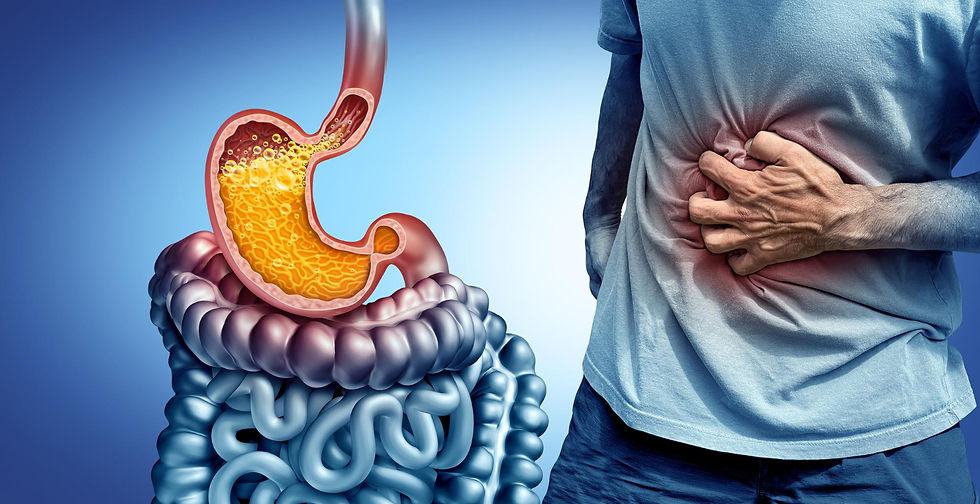
GERD happens when stomach contents flow backward into the esophagus (the tube that carries food from your mouth to your stomach).
Normally, a small muscle at the bottom of the esophagus, called the lower esophageal sphincter (LES), acts like a valve. It opens to let food into the stomach and then closes to keep it there.
In GERD, this valve:
Relaxes at the wrong time, or
Doesn’t close properly
This allows acidic stomach contents to move upward, irritating the lining of the esophagus.
Common Symptoms to Watch For
GERD doesn’t feel the same for everyone, but typical symptoms include:
Burning pain in the chest (heartburn)
Regurgitation (food or sour liquid coming back up)
Other possible symptoms:
Trouble swallowing
Chest discomfort (sometimes mistaken for heart problems)
Bloating or belching
Nausea
Bad breath
Some people may also notice:
Chronic cough
Hoarseness (especially in the morning)
Worsening asthma symptoms
What Triggers GERD?
Several everyday factors can increase your chances of developing GERD:
Lifestyle-related triggers
Eating large or heavy meals
Lying down soon after eating
Smoking
Drinking alcohol or caffeine
Health-related factors
Obesity
Pregnancy
Stress
Conditions like a hiatal hernia (when part of the stomach pushes upward)
How Is GERD Diagnosed?
In many cases, doctors can recognize GERD based on your symptoms alone.
A common approach:
You may be given a trial of medication (called a proton pump inhibitor, or PPI) for about 8 weeks
If symptoms improve, GERD is likely the cause
If symptoms don’t improve or if there are warning signs, further tests may be needed, such as:
A camera test of the esophagus and stomach (endoscopy)
Acid level monitoring over 24 hours
Treatment: What Actually Helps?
1. Simple Lifestyle Changes
These small adjustments can make a big difference:
Eat smaller meals
Avoid eating 2–3 hours before bedtime
Identify and avoid your personal trigger foods
Lose weight if needed
Raise the head of your bed slightly if symptoms occur at night
Cut back on smoking, alcohol, or caffeine (if they worsen symptoms)
2. Medications
The most commonly used medicines are PPIs, which reduce stomach acid.
Usually taken for about 8 weeks
Many people feel significant relief
Some may need longer-term treatment at a lower dose
Other medications may also be used in certain cases.
3. Surgery (Rare Cases)
Surgery is only considered when:
Symptoms don’t improve with medication
Complications develop
Or medication isn’t tolerated
A common procedure strengthens the valve between the stomach and esophagus to prevent reflux.
Why Treatment Is Important
Ignoring GERD can lead to complications over time, including:
Inflammation of the esophagus
Narrowing of the esophagus (making swallowing difficult)
Barrett’s esophagus, a condition where the lining changes and may increase cancer risk
While serious complications are not common, they highlight why ongoing symptoms should not be ignored.
When Should You See a Doctor?
Seek medical advice if you notice:
Difficulty swallowing
Unexplained weight loss
Vomiting
Signs of bleeding (like black stools or vomiting blood)
Symptoms lasting more than a few weeks
Also, chest pain should always be taken seriously, as it can sometimes be related to the heart.
Key Takeaways
GERD is a common condition caused by acid flowing back into the esophagus
The main symptoms are heartburn and regurgitation
Lifestyle changes and medications are usually very effective
Long-term untreated GERD can lead to complications
Don’t ignore persistent or unusual symptoms, getting checked early makes a big difference
If you’ve been dealing with frequent heartburn, you’re not alone, and you don’t have to just live with it. With the right approach, most people can get their symptoms under control and feel much better.


